Introduction
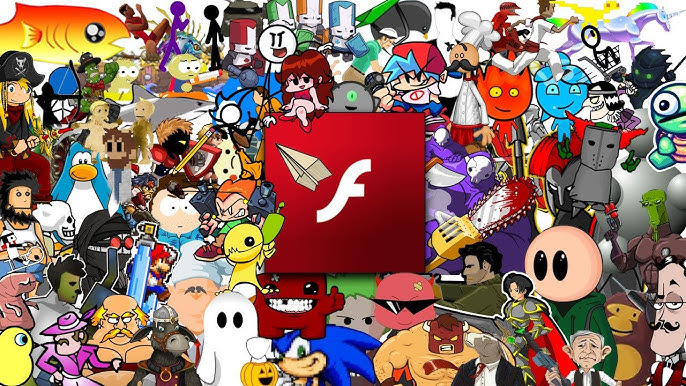
When Adobe Flash Player officially reached its end of life in December 2020, it marked the end of an era for millions of gamers. For over two decades, Flash games were the heart of browser-based entertainment—offering creativity, accessibility, and community-driven innovation. Yet, what many thought was a permanent goodbye has now transformed into an incredible digital resurrection. Through emulation, preservation projects, and nostalgia-fueled fan communities, Flash games are making a powerful comeback, redefining how we experience retro web gaming in 2025 and beyond.
This article dives deep into the revival of Flash games, exploring the technologies, cultural trends, and emerging platforms that are giving these once-forgotten classics a second life.
The Unexpected Comeback of Flash Games
When Flash Player was discontinued, many assumed that thousands of browser games—developed by both indie creators and major studios—would vanish forever. Yet, the opposite happened. Passionate developers, archivists, and nostalgic players banded together to preserve Flash’s legacy. Today, Flash games are thriving thanks to modern emulators like Ruffle and BlueMaxima’s Flashpoint, which have made it possible to play these titles again—without needing the original plugin. This revival has become a cultural movement, not just a technical one.
Why This Revival Matters
-
Cultural Preservation: Flash games represented a creative explosion of early internet culture. Preserving them keeps a vital piece of gaming history alive.
-
Accessibility: Unlike modern AAA games requiring powerful hardware, Flash games run effortlessly on almost any device.
-
Community Connection: Fans are reconnecting with their childhoods through forums, Reddit threads, and Discord communities dedicated to Flash nostalgia.
Technological Backbone: Emulation and Archiving
The biggest obstacle to Flash gaming’s revival was the deprecation of Adobe Flash itself. Fortunately, the open-source community responded with groundbreaking projects that breathed new life into these games.
Ruffle: The Future-Proof Emulator
Ruffle is an open-source Flash Player emulator written in Rust. Unlike old Flash plugins, it’s secure, efficient, and compatible with modern browsers. It allows users to play Flash games natively without vulnerabilities or security risks.
Key Advantages of Ruffle:
-
Works directly in modern browsers (Chrome, Firefox, Edge)
-
Eliminates the need for outdated plugins
-
Offers high performance and compatibility across thousands of Flash titles
-
Safe from the notorious Flash-related security issues
BlueMaxima’s Flashpoint: The Archival Titan
BlueMaxima’s Flashpoint project is the most extensive archive of Flash content in existence. Hosting over 100,000 games and animations, it serves as a digital time capsule for internet culture between 1998 and 2020.
Why Flashpoint is Revolutionary:
-
Provides offline access to thousands of preserved games
-
Regularly updated by volunteers and curators
-
Offers “Infinity” and “Ultimate” versions for online or local use
-
Enables developers to submit lost titles for archival
Flash Games and the Rise of Nostalgic Gaming Culture
The rebirth of Flash games isn’t just about technology—it’s about emotional connection. Millennials and early Gen Z players who grew up playing classics like Fancy Pants Adventure, Line Rider, or Interactive Buddy are returning to these games for comfort and nostalgia.
The Psychology Behind Nostalgic Gaming
Nostalgia-driven gaming has become a massive trend. Players are seeking simpler, more imaginative gameplay experiences as a counterbalance to the hyper-realism and microtransactions of modern gaming.
Why Nostalgia Works in Gaming:
-
Triggers emotional comfort and familiarity
-
Rekindles early memories of discovery and creativity
-
Encourages community-driven sharing and storytelling
Social Media’s Role in the Revival
Platforms like TikTok, YouTube, and Reddit have amplified the nostalgia wave. Gamers are sharing old Flash gameplay clips, ranking their childhood favorites, and even creating remakes in Unity or HTML5.
Trending Hashtags in 2025:
-
#FlashGameRevival
-
#ChildhoodGaming
-
#WebGameNostalgia
This digital nostalgia economy has also inspired indie developers to reinterpret classic Flash mechanics in new releases, blending old-school charm with modern design.
The Modern Transformation: HTML5 Remasters and Indie Inspiration
While emulation keeps old games playable, some creators are going a step further—remastering Flash titles in HTML5 or Unity to future-proof them.
HTML5: The Successor to Flash
HTML5 has replaced Flash as the standard for interactive web content. Its flexibility and performance have made it the natural home for remastered Flash classics.
Key Benefits of HTML5 for Flash Game Revival:
-
Cross-platform compatibility (mobile, desktop, and tablets)
-
No need for plugins or third-party software
-
Enhanced graphics and smoother performance
-
Easier integration with monetization platforms
Indie Developers Reviving Flash-Style Games
Developers are using modern engines to reimagine Flash-inspired titles with enhanced visuals, music, and story depth while maintaining their original simplicity.
Examples of Flash-Inspired Modern Games:
-
Super Fancy Pants Adventure – A console-level continuation of a Flash classic.
-
Friday Night Funkin’ – A rhythm-based phenomenon born from Flash’s musical roots.
-
Duck Life Adventure – A reimagined version of a beloved Flash series.
This trend demonstrates that Flash’s legacy isn’t fading—it’s evolving.
Preservation and Legal Challenges
Despite the success of emulators and archives, Flash game preservation isn’t without controversy. Many original Flash titles were hosted on defunct websites, often without clear ownership or licensing.
Common Legal Dilemmas:
-
Who owns the rights to games uploaded to free portals like Newgrounds or Miniclip?
-
Can archived copies of commercial Flash titles be distributed freely?
-
How do preservationists balance copyright with cultural heritage?
To mitigate these issues, archivists typically operate under “fair use” principles—preserving games for educational and historical purposes rather than profit.
The Future of Flash Games: Beyond Nostalgia
Flash games have transitioned from being a nostalgic curiosity to a recognized part of digital heritage. The next phase of their evolution lies in integration with emerging technologies.
Flash Games and AI
AI is now being used to upscale old Flash graphics, restore broken code, and even auto-generate missing assets. This allows fans to enjoy visually enhanced versions of their favorite classics without losing their original charm.
VR and Flash-Inspired Experiences
VR developers are experimenting with retro-inspired environments that simulate early 2000s web browsing experiences—complete with playable Flash archives in virtual desktops. This blend of nostalgia and innovation promises to make Flash gaming timeless.
Conclusion
The story of Flash games is no longer one of obsolescence—it’s one of rebirth and reinvention. Thanks to emulation, community-driven archives, and modern remasters, the golden age of web gaming continues to inspire new generations. What once defined the spirit of free creativity on the internet has now become a cornerstone of gaming history. The Flash era didn’t truly end—it evolved.
FAQs
1. Can Flash games still be played without Adobe Flash Player?
Yes. Tools like Ruffle and BlueMaxima’s Flashpoint allow you to play Flash games safely on modern systems.
2. Are Flash game emulators safe to use?
Absolutely. Modern emulators are open-source, regularly updated, and far safer than the original Flash plugin.
3. Can developers still create new games inspired by Flash?
Yes. Many indie creators are building HTML5 and Unity-based games inspired by the simplicity and creativity of classic Flash titles.
4. Why are people nostalgic for Flash games?
Flash games evoke memories of a simpler, community-driven gaming era, offering quick fun without downloads or payments.
5. What are some of the best-preserved Flash game archives?
The Flashpoint Archive and Newgrounds’ preservation project are two of the most comprehensive and trusted sources.
6. Are there any mobile platforms hosting Flash-style games?
Yes. Many mobile apps now offer Flash-inspired collections or HTML5 remakes optimized for touchscreen gameplay.
7. What is the future of Flash game preservation?
Expect AI restoration, VR integration, and global archiving collaborations to ensure that Flash’s creative legacy endures for decades to come.
